TMJ Pain
TMJ Joint Pain Treatment at Dentzania: Say Goodbye to Jaw Pain
Temporomandibular Joint (TMJ) disorders can cause chronic jaw pain, headaches, difficulty chewing, and even ear discomfort.
At Dentzania, we specialize in advanced, non-invasive, and long-lasting solutions to relieve TMJ pain and restore jaw function.
Book an Appointment NowWhat Causes TMJ Disorders?
TMJ disorders can result from multiple factors, including:
- Teeth Grinding & Clenching (Bruxism)
- Jaw Misalignment or Bite Issues
- Arthritis in the Jaw Joint
- Stress-Related Jaw Tension
- Trauma or Injury to the Jaw
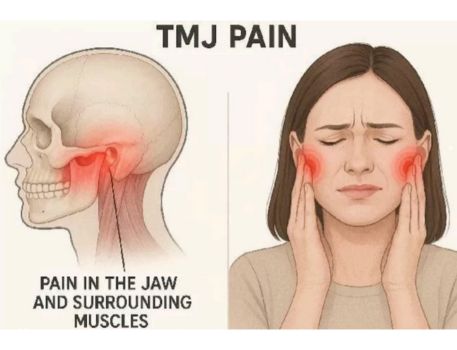
Common Symptoms of TMJ Disorder
- Persistent jaw pain or tenderness
- Clicking, popping, or locking of the jaw
- Frequent headaches or migraines
- Ear pain, ringing (tinnitus), or dizziness
- Difficulty chewing or opening the mouth fully
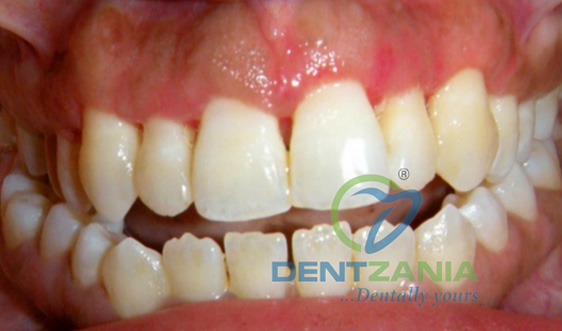
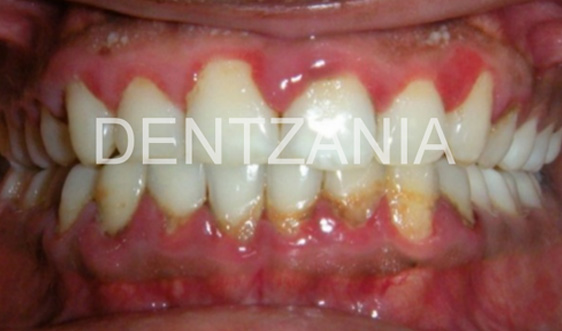
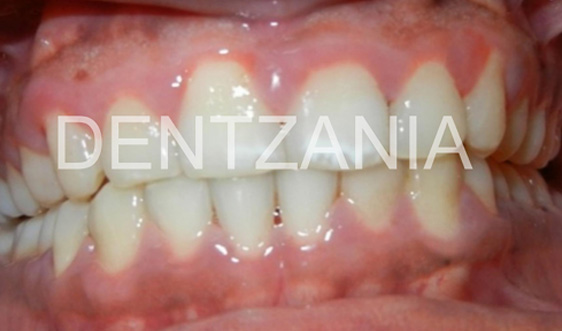
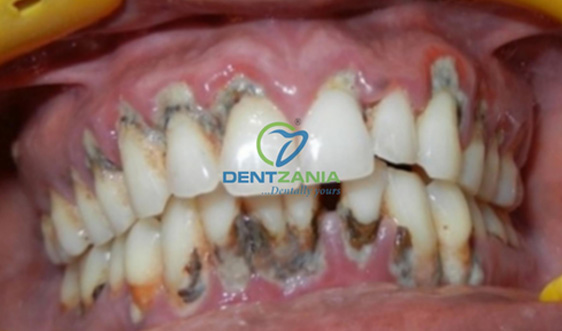
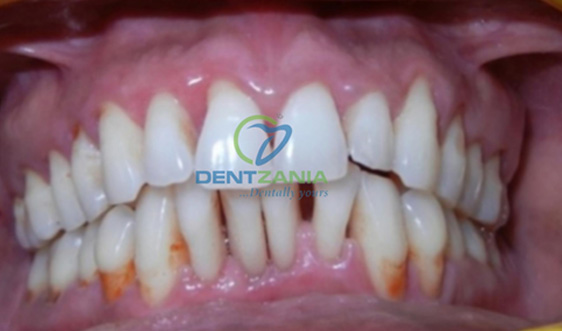
Before / After
Frequently Asked Questions (FAQs)
Benefits of TMJ Pain Treatment and Bite Correction

Immediate Pain Relief
Targeted TMJ therapies can quickly reduce jaw pain, headaches, and facial tension, improving your day-to-day comfort.

Improved Jaw Function
Treatments restore smooth jaw movement—making it easier to chew, speak, and yawn without discomfort or locking.

Correct Bite Alignment
Bite correction prevents uneven tooth wear, reduces strain on jaw muscles, and enhances long-term oral health.

Better Sleep Quality
Night guards and reduced jaw tension minimize clenching and grinding, improving sleep and reducing morning discomfort.
Reduced Risk of Tooth Damage
Managing bruxism and misalignment protects teeth from fractures, wear, and gum recession.
Headache and Migraine Reduction
Many TMJ patients experience fewer tension headaches and migraines once jaw stress is treated.
Non-Surgical, Long-Term Relief
Most TMJ treatments are non-invasive and offer sustainable results without the need for surgery.
Enhanced Aesthetics
Correcting your bite can subtly improve facial symmetry and your smile's appearance.
Boosted Quality of Life
Freedom from chronic pain and functional issues leads to better focus, mood, and overall well-being.

Non-Surgical, Painless Solutions
Laser therapy & custom appliances
Expert TMJ Specialists
Skilled professionals for accurate diagnosis & treatment
Advanced Technology
State-of-the-art diagnostic tools & therapies
Personalized Treatment Plans
Tailored solutions for long-term relief
Why Choose Dentzania?
Don’t Ignore TMJ Symptoms
Left untreated, TMJ disorders can worsen and affect your daily life. Early treatment ensures faster recovery and prevents long-term damage.
Relieve jaw pain and restore bite balance with the help of Dentzania.
Book an Appointment NowDon’t let jaw pain affect your quality of life! Contact Dentzania today for expert evaluation and personalized TMJ treatment.
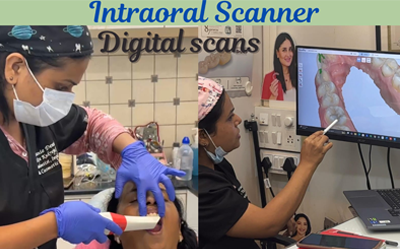
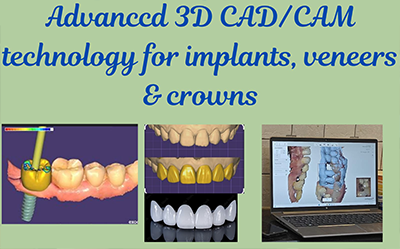
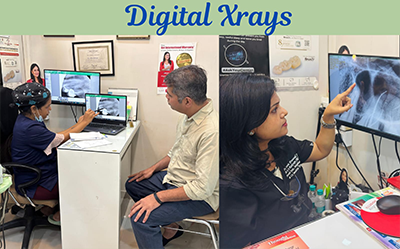
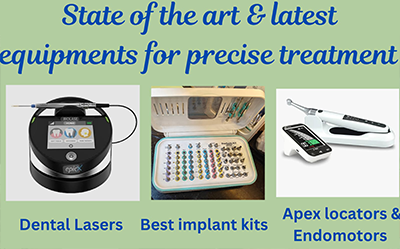
Cutting-Edge Dental Technology at Dentzania
What our Patients say About Us

Neha Bansod
Goregaon East
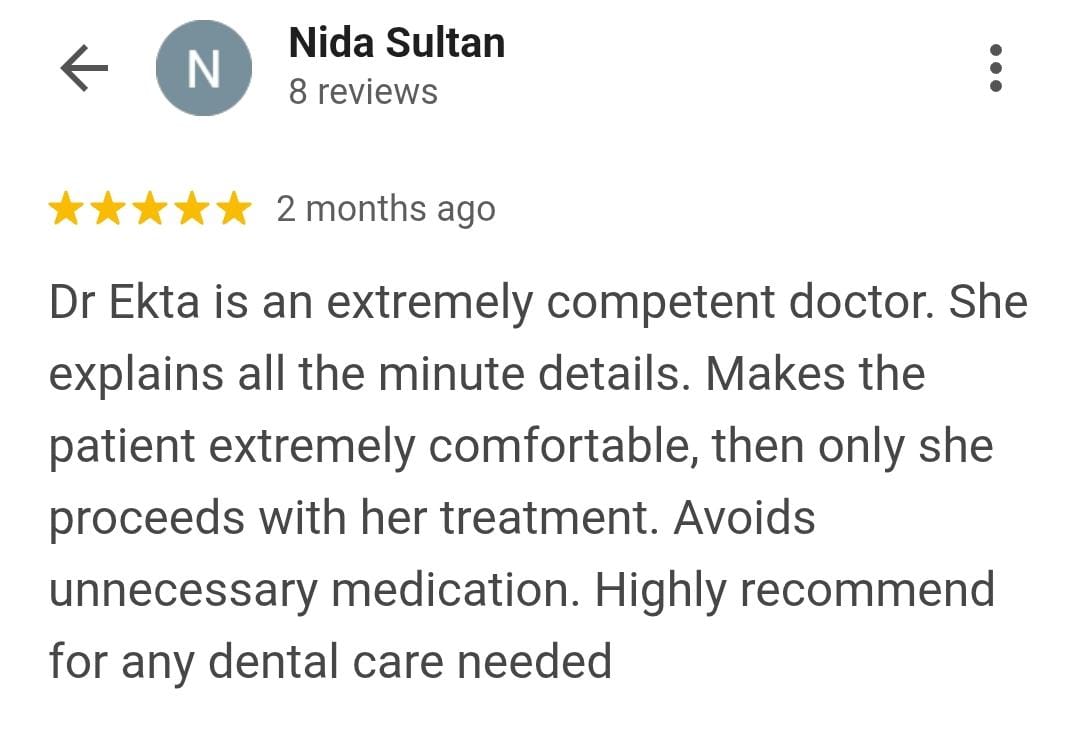
Nida Sultan
Designer
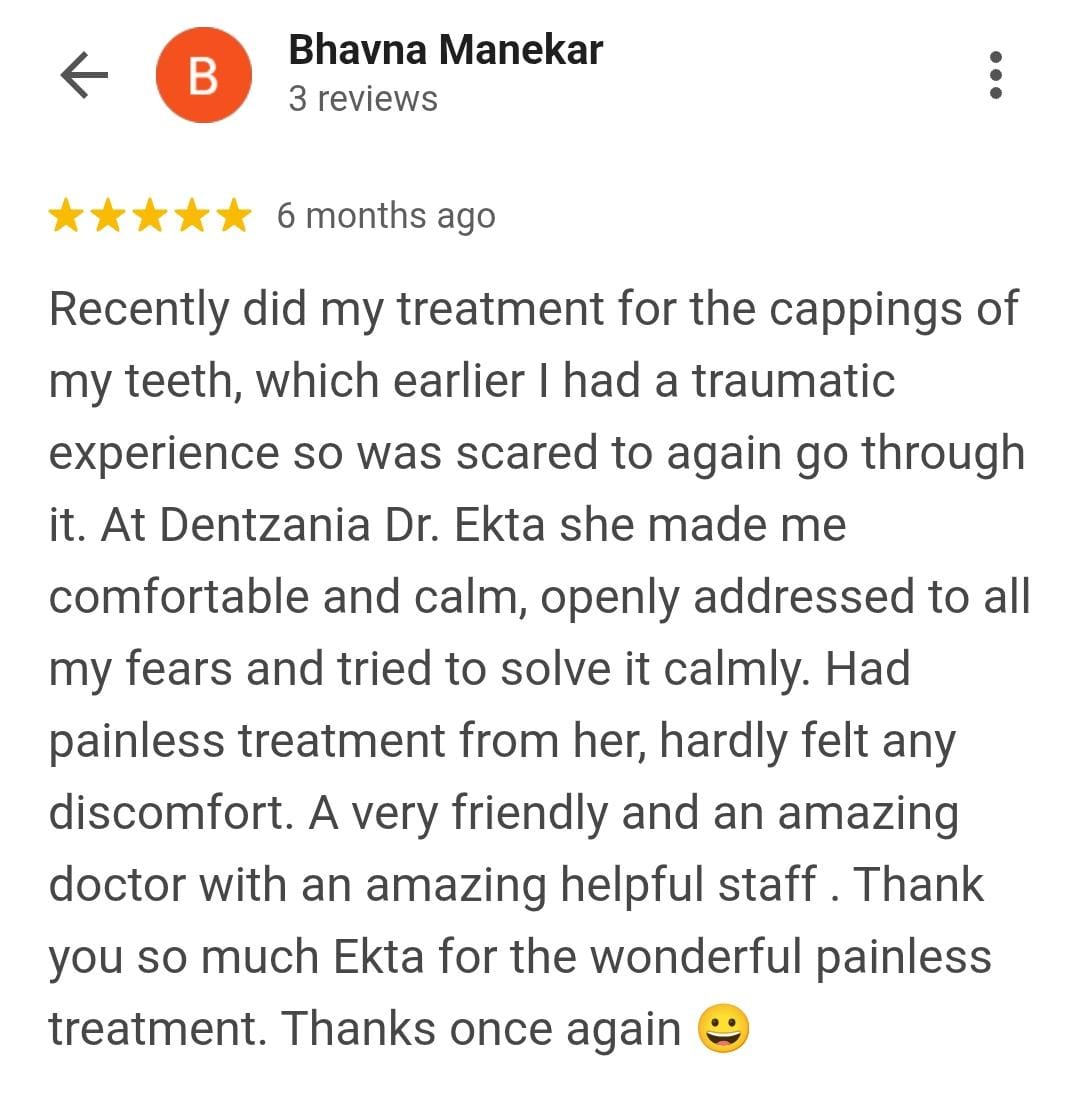
Bhavna Manekar
Malad

Happy Patients
Smiles Crafted
Years of experience
More about TMJ pain
The TMJ is the hinge connecting your jaw to your skull. It allows you to do things like talk, laugh, and chew, and enables your jaw to move up and down and side to side.
Due to the hinge and sliding motions, this joint is a bit more complicated than other joints in the body and can cause a variety of symptoms if there is something amiss, including headaches. These are typically called temporomandibular disorders (TMD).
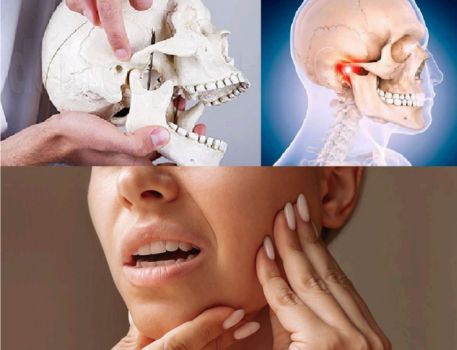
You have two TMJs (temporomandibular joints) — one on each side of your face, just in front of your ears. Your TMJs connect your lower jawbone to your skull and help with movements like chewing and speaking.
Between 5% and 12% of the general adult population have some form of
The condition is twice as common in women. People between the ages of 20 and 40 are most likely to develop TMD.
Types of TMD (temporomandibular joint dysfunction)
TMD is classified into three categories:
- Disorders of your jaw joints.
- Disorders of your chewing muscles.
- Headaches that result from TMD.
Symptoms and Causes
What are the symptoms of TMJ dysfunction?
TMJ symptoms vary widely and may include:
- Jaw pain.
- Facial pain.
- Shoulder or neck pain.
- Stiffness in your jaw.
- Difficulty opening or closing your mouth.
- Jaw popping or clicking.
- Headaches.
- Migraines.
- Earaches.
- Toothache.
- Tinnitus (ringing in your ears).
- A change in the way your teeth fit together (malocclusion).
What is the main cause of TMJ dysfunction?
There’s no singular cause of TMD. Rather, it can be a result of many different factors or a combination of factors.
TMJ causes may include:
- Jaw injury (like a broken or dislocated jaw).
- Teeth grinding or clenching (bruxism).
- Arthritis in your jaw joint.
- Malocclusion (when your teeth don’t fit together exactly as they should).
- Stress.
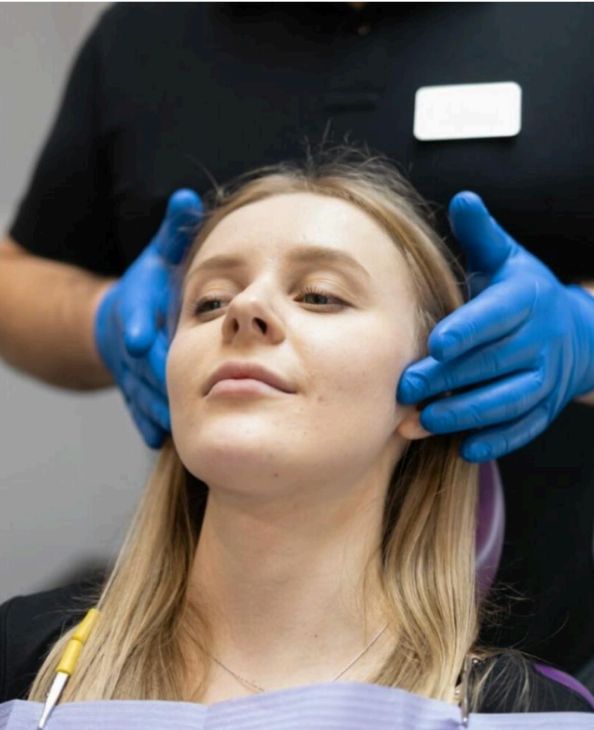
TMJ disorder can be diagnosed during a dental checkup or physical examination, based on your symptoms and clinical situation During this visit, the dentist would :
- Observe your range of motion when you open and close your mouth.
- Press on your face and jaw to find areas of discomfort.
- Feel around your jaw joints while you open and close your mouth.
They may also suggest imaging tests to get a closer look at your jaw joints and the structures around them. These imaging tests may include:
- Dental OPG X-rays.
- CT (computed tomography) scans.
- MRI (magnetic resonance imaging).
- TMJ arthroscopy (used for diagnosis and, in some cases, treatment
TMJ dysfunction affects everyone differently. For some, it’s a temporary issue that goes away in a week or two. For others, it’s a chronic condition that negatively impacts quality of life.
If you have frequent jaw pain, facial pain, headaches or other TMJ symptoms visit us for a consultation so that we can help you find an effective treatment !